
Efficient Screening Solutions: The Ultimate Guide to Screening Machines
Screening machines are the unsung heroes of industrial processing, sorting, and separation across sectors from mining and construction to food production, pharmaceuticals, and recycling. Their ability to efficiently separate materials by size, shape, or density streamlines workflows, reduces waste, and ensures product quality—making them a cornerstone of modern manufacturing and processing operations. This ultimate guide breaks down everything you need to know about screening machines: from core types and key features to selection criteria, maintenance tips, and emerging trends in efficient screening solutions.
1. What Are Screening Machines, and Why Do They Matter?
At their core, screening machines are mechanical devices designed to separate bulk materials into distinct fractions based on predefined physical characteristics, most commonly particle size. Unlike filtration (which separates liquids and solids) or classification (which uses fluid dynamics), screening relies on a perforated surface—such as a screen mesh, plate, or cloth—to allow smaller particles to pass through while retaining larger ones.
The importance of efficient screening machines lies in their ability to:
- Optimize production efficiency: Eliminate manual sorting, reduce processing time, and handle high-volume material flows consistently.
- Ensure product quality: Deliver uniform particle sizes that meet industry or customer specifications (e.g., graded aggregates for construction, uniform food particles for packaging).
- Minimize waste and costs: Recover valuable materials from waste streams (e.g., recycling plastic or metal) and reduce rework from off-spec products.
- Protect downstream equipment: Prevent oversized or contaminated particles from damaging crushers, mills, conveyors, or packaging machines further in the production line.
Screening machines are adaptable to a wide range of materials, including dry powders, granular solids, wet slurries, and even fragile products like fruits or pharmaceuticals—making them indispensable in nearly every industrial sector.
2. The Main Types of Screening Machines (and Their Use Cases)
Not all screening machines are created equal; the right type depends on the material being processed, the desired separation efficiency, throughput volume, and operating environment. Below are the most common and widely used screening machine types, along with their key features and ideal applications.
2.1 Vibrating Screens
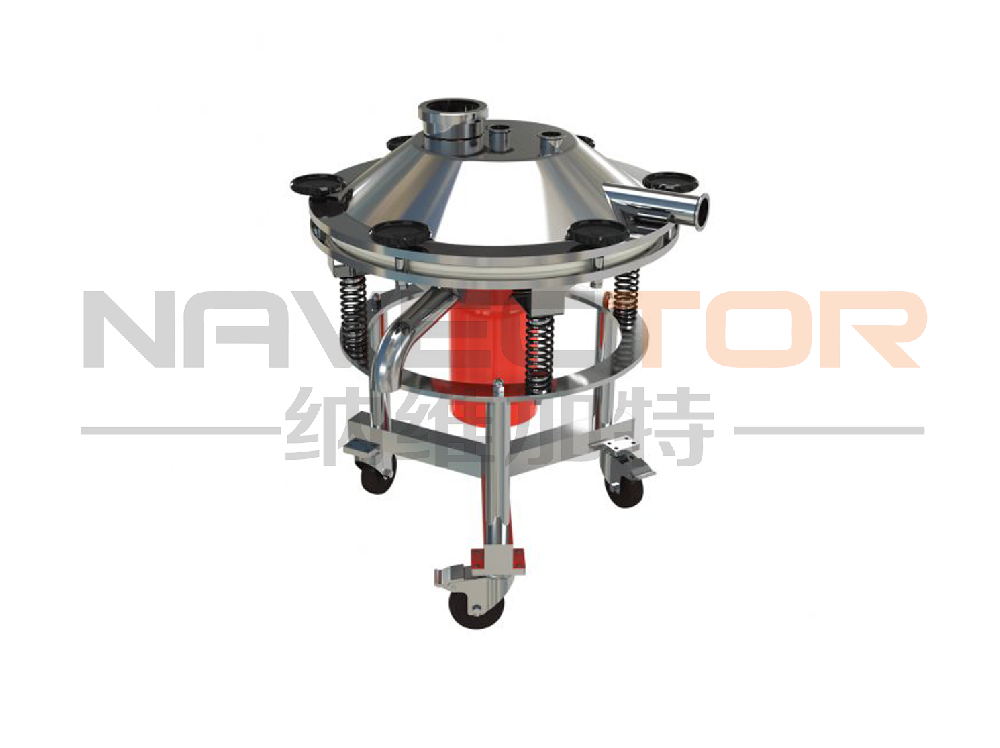
Vibrating screens are the most popular screening solution for industrial applications, accounting for over 70% of screening machine usage worldwide. They use mechanical vibration (generated by electric motors, eccentric weights, or electromagnetic drives) to move material across the screen surface, accelerating particle separation.
Key Variations:
- Inclined Vibrating Screens: The screen deck is tilted at an angle (15–30°), using gravity to assist material flow. Ideal for high-throughput, coarse separation (e.g., mining aggregates, quarry rock).
- Horizontal Vibrating Screens: The deck is horizontal or slightly inclined (<5°), with vibration providing the primary material movement. Offers higher separation accuracy for medium to fine particles (e.g., sand, gravel, industrial powders).
- High-Frequency Vibrating Screens: Operate at 3,000–6,000 RPM, producing high-frequency, low-amplitude vibrations. Designed for fine and ultra-fine separation (e.g., mineral processing, cement production, coal preparation).
Best For: Dry or slightly wet bulk materials, high throughput, coarse to fine separation.
2.2 Gyratory Screens
Gyratory screens use a circular, gyratory motion (similar to a spinning top) to move material across a multi-deck screen surface. The motion is gentle yet effective, making them ideal for fragile or easily degradable materials. They typically have a smaller footprint than vibrating screens and offer high separation accuracy.
Best For: Fragile products (e.g., fruits, nuts, baked goods), pharmaceuticals, fine chemicals, and applications where material degradation must be minimized.
2.3 Rotary Screens (Trommel Screens)
Rotary screens—also known as trommel screens—are cylindrical, rotating screens with perforated walls. Material is fed into one end of the cylinder, and as it rotates, smaller particles pass through the holes, while larger particles exit the other end. They are simple in design, low-maintenance, and suitable for wet or sticky materials.
Key Variations:
- Static Trommels: Fixed rotation speed, ideal for basic separation tasks.
- Variable-Speed Trommels: Adjustable rotation speed to optimize separation for different materials (e.g., wet soil, compost, construction debris).
Best For: Recycling (e.g., sorting plastic, paper, and metal), composting, mining slurries, and wet/sticky materials that may clog other screen types.
2.4 Flip-Flow Screens (Flexible Screens)
Flip-flow screens are a specialized type of vibrating screen designed to solve the problem of clogged or blinded screens (when particles get stuck in the mesh holes). They use a flexible screen mat that stretches and contracts (flips) as the machine vibrates, dislodging stuck particles and ensuring continuous operation.
Best For: Wet, sticky, or fibrous materials (e.g., coal, biomass, wood chips, clay), and fine particle separation where screen blinding is a common issue.
2.5 Ultrasonic Screens
Ultrasonic screens integrate ultrasonic transducers into the screen mesh, which generate high-frequency ultrasonic waves (20–40 kHz) to vibrate the mesh independently of the main machine motion. This ultrasonic vibration breaks up agglomerated particles and prevents screen blinding, making them ideal for ultra-fine powder separation.
Best For: Pharmaceuticals, cosmetics, food powders (e.g., flour, cocoa), pigments, and any application requiring separation of particles smaller than 200 microns.
3. Key Features to Look for in Efficient Screening Machines
When selecting a screening machine for your operation, efficiency is the top priority—and efficiency is determined by a combination of design and functional features. Below are the critical factors to evaluate to ensure you choose a machine that delivers optimal performance and longevity.
3.1 Screen Surface/Mesh Quality
The screen surface is the heart of the machine, and its quality directly impacts separation accuracy and durability:
- Mesh Material: Choose stainless steel for corrosion resistance (food, pharmaceutical, chemical industries) or carbon steel for heavy-duty applications (mining, construction). Polyurethane mesh is ideal for wet/sticky materials and offers superior wear resistance.
- Mesh Opening Size: Select the correct aperture size for your desired separation fraction—too small, and throughput drops; too large, and separation accuracy suffers.
- Screen Deck Configuration: Multi-deck screens (2–5 decks) allow for simultaneous separation into multiple fractions, increasing operational flexibility and efficiency.
3.2 Vibration/Gyration Parameters
For vibrating and gyratory screens, the speed, amplitude, and frequency of motion dictate how quickly material moves across the screen and how effectively particles separate:
- Amplitude: The distance the screen moves back and forth/up and down. Larger amplitude is better for coarse, heavy materials; smaller amplitude for fine, fragile materials.
- Frequency: The number of vibrations/rotations per minute (RPM). Higher frequency improves fine particle separation but may cause material degradation if too high.
- Adjustability: Look for machines with adjustable vibration/gyration settings to adapt to different materials and separation requirements.
3.3 Throughput Capacity
Throughput capacity refers to the maximum amount of material the machine can process per hour (measured in tons/hour or cubic meters/hour). It’s critical to select a machine with a capacity that matches your production needs—over-sizing leads to higher energy costs and wasted space, while under-sizing causes bottlenecks and reduced efficiency.
3.4 Energy Efficiency
Efficient screening machines minimize energy consumption without sacrificing performance. Key energy-saving features include:
- High-efficiency electric motors (IE3 or IE4 rated).
- Variable frequency drives (VFDs) to adjust speed and power usage based on material load.
- Lightweight, durable construction that reduces the energy required for vibration/rotation.
3.5 Ease of Maintenance
Downtime for maintenance can cripple production efficiency, so choose a machine designed for easy access and quick part replacement:
- Removable screen decks/meshes for fast cleaning or replacement.
- Sealed bearings to reduce lubrication needs and prevent contamination.
- Minimal moving parts to lower the risk of breakdowns.
3.6 Customization and Adaptability
Every operation has unique material and processing requirements, so a flexible screening machine is essential. Look for manufacturers that offer:
- Custom screen mesh sizes and deck configurations.
- Add-ons like ultrasonic transducers, anti-blinding systems, or dust enclosures.
- Modular designs that allow for future upgrades or reconfiguration.
4. Step-by-Step Guide to Selecting the Right Screening Machine
Choosing the perfect screening machine can be overwhelming, but following this structured process will ensure you make a decision that aligns with your operational needs, budget, and efficiency goals.
Step 1: Define Your Material Characteristics
Start by documenting the key properties of the material you’ll be screening—this is the foundation of your selection:
- Physical state: Dry, wet, sticky, fibrous, or fragile?
- Particle size distribution: What is the range of particle sizes, and what fractions do you need to separate?
- Material density and abrasiveness: Heavy, abrasive materials (e.g., rock, metal) require more durable screens; light, non-abrasive materials (e.g., flour, plastic) can use lighter-duty options.
- Moisture content: High moisture content increases the risk of screen blinding, so you’ll need anti-blinding features (e.g., flip-flow screens, ultrasonic transducers).
Step 2: Set Your Performance Goals
Clearly define what you want the screening machine to achieve:
- Throughput requirement: How much material do you need to process per hour/shift?
- Separation accuracy: What level of precision do you need (e.g., 99% of particles in the desired fraction)?
- Operational environment: Will the machine be used indoors or outdoors? Is dust control or explosion protection required (e.g., in chemical or food plants)?
Step 3: Evaluate Machine Types (Based on Steps 1 and 2)
Use your material characteristics and performance goals to narrow down the machine types (refer to Section 2 for guidance):
- For high-throughput, coarse separation of dry rock/aggregates: Inclined vibrating screens.
- For fragile, fine chemicals/pharmaceuticals: Gyratory or ultrasonic screens.
- For wet/sticky recycling materials: Rotary or flip-flow screens.
Step 4: Compare Key Features and Specifications
Once you’ve shortlisted machine types, compare individual models based on the features outlined in Section 3:
- Screen mesh quality and durability.
- Vibration/gyration adjustability.
- Throughput capacity (ensure it meets or exceeds your needs).
- Energy efficiency and maintenance requirements.
- Customization options.
Step 5: Test with Your Material (If Possible)
Always request a material test from the manufacturer before making a final purchase. Most reputable manufacturers offer in-house testing facilities where they can screen your actual material using their machines, providing data on separation accuracy, throughput, and screen blinding. This step eliminates guesswork and ensures the machine performs as expected in real-world conditions.
Step 6: Consider Total Cost of Ownership (TCO)
The initial purchase price is just one part of the equation—calculate the total cost of ownership to avoid hidden expenses:
- Energy costs: Annual power consumption based on the machine’s motor rating and operating hours.
- Maintenance costs: Cost of replacement parts (screens, bearings, motors), labor, and downtime.
- Lifespan: How long the machine is expected to last (durable materials like stainless steel or polyurethane will have a longer lifespan).
- Resale value: Modular or well-known brand machines may have a higher resale value if you need to upgrade later.
Step 7: Select a Reputable Manufacturer
Choose a manufacturer with a proven track record of producing high-quality, efficient screening machines. Look for:
- Industry experience and customer reviews/testimonials.
- Comprehensive after-sales support (installation, training, maintenance, spare parts).
- Compliance with international quality and safety standards (e.g., ISO, CE).
5. Case Studies: Efficient Screening Solutions in Action
To illustrate how the right screening machine can transform operational efficiency, here are three real-world case studies across different industries:
Case Study 1: Mining & Construction – High-Throughput Aggregate Screening
Challenge: A large quarry in Australia needed to screen 500 tons/hour of crushed rock into three fractions (0–5mm, 5–10mm, 10–20mm) for road construction. The existing inclined vibrating screen was suffering from frequent screen blinding and low separation accuracy, leading to bottlenecks and rework.
Solution: The quarry upgraded to a high-frequency, multi-deck horizontal vibrating screen with polyurethane mesh and an anti-blinding system from a leading manufacturer. The machine’s adjustable vibration frequency and amplitude optimized material flow, while the polyurethane mesh reduced wear and blinding.
Results:
- Throughput increased by 30% (to 650 tons/hour).
- Separation accuracy improved from 85% to 98%.
- Maintenance downtime reduced by 50% due to durable mesh and easy access to parts.
- Annual cost savings of over $150,000 from reduced rework and energy efficiency.
Case Study 2: Food Production – Fragile Nut Sorting
Challenge: A US-based nut processing company needed to screen shelled almonds into two size fractions (Whole and Slivered) for packaging. The existing rotary screen was causing excessive breakage (10% of the product), leading to waste and lost revenue.
Solution: The company switched to a gyratory screen with a soft, food-grade plastic mesh and a gentle gyratory motion. The machine’s multi-deck design allowed for simultaneous sorting, and the low-impact motion minimized material degradation.
Results:
- Product breakage reduced to less than 1%.
- Throughput maintained at 2 tons/hour (matching production needs).
- Compliance with FDA food safety standards ensured by food-grade materials and easy cleaning.
- Annual revenue increase of $200,000 from reduced waste and higher-quality product.
Case Study 3: Recycling – Construction Debris Separation
Challenge: A UK recycling firm needed to sort construction and demolition (C&D) debris into concrete, wood, and plastic fractions for recycling. The wet, sticky debris was clogging their existing vibrating screen, leading to daily downtime for cleaning.
Solution: The firm installed a variable-speed rotary trommel screen with a perforated steel cylinder and a spray system to reduce stickiness. The variable speed allowed the machine to adapt to different debris types, and the cylindrical design prevented clogging.
Results:
- Downtime for cleaning reduced from 2 hours/day to 15 minutes/day.
- Material recovery rate increased from 70% to 90%.
- Throughput increased by 40% (to 30 tons/hour).
- Annual cost savings of $80,000 from reduced downtime and higher material recovery.
6. Maintenance and Optimization Tips for Long-Term Efficiency
Even the best screening machine will underperform without proper maintenance and optimization. Follow these tips to keep your machine running at peak efficiency, extend its lifespan, and minimize downtime:
6.1 Regular Cleaning
- Daily: Remove accumulated material from the screen surface, hoppers, and discharge chutes to prevent clogging and material buildup.
- Weekly: Perform a deep clean of the screen mesh/deck using high-pressure water (for dry materials) or cleaning solutions (for food/pharmaceutical applications) to remove stubborn particles.
- Monthly: Inspect and clean the machine’s motor, bearings, and drive system to prevent dust and debris from causing damage.
6.2 Routine Inspections
- Daily: Check for loose bolts, worn belts, or unusual vibrations/noises—these are early signs of mechanical issues.
- Weekly: Inspect the screen mesh/deck for tears, holes, or wear. Replace damaged screens immediately to avoid poor separation accuracy.
- Monthly: Check bearing lubrication levels and replace lubricant as recommended by the manufacturer. Sealed bearings may only require annual inspection.
- Quarterly: Inspect the motor and electrical components for overheating or damage. Test safety features (e.g., emergency stop buttons) to ensure they function correctly.
6.3 Optimize Operating Parameters
- Adjust vibration frequency, amplitude, or rotation speed based on changes in material characteristics (e.g., moisture content, particle size).
- Ensure the material feed rate is consistent—too much material overloads the screen, reducing accuracy; too little wastes energy and throughput.
- Use feed hoppers or distributors to evenly spread material across the screen surface—uneven feeding causes uneven wear and poor separation.
6.4 Invest in Quality Spare Parts
Always use genuine spare parts from the machine’s manufacturer—cheap, generic parts may fit but are less durable and can cause premature failure of other components (e.g., a low-quality mesh may tear and damage the screen deck).
6.5 Train Your Operators
Proper operator training is critical for efficient machine use. Ensure your team understands:
- How to adjust operating parameters for different materials.
- Basic maintenance tasks (e.g., cleaning, screen replacement).
- How to identify and report early signs of mechanical issues.
7. Emerging Trends in Efficient Screening Technology
The screening machine industry is constantly evolving, with new technologies and innovations focused on improving efficiency, sustainability, and automation. Here are the key trends to watch in the coming years:
7.1 Smart and Connected Screening Machines
Industry 4.0 has arrived in screening technology, with manufacturers integrating sensors, IoT (Internet of Things) connectivity, and AI into their machines. These smart features allow for:
- Real-time monitoring of performance (throughput, separation accuracy, vibration levels).
- Predictive maintenance (AI algorithms analyze sensor data to predict component failures before they occur, reducing unplanned downtime).
- Remote operation and adjustment (operators can control the machine from a central dashboard, even in remote locations).
7.2 Enhanced Energy Efficiency
Sustainability is a top priority for industrial operations, and screening machine manufacturers are responding with:
- Ultra-high-efficiency motors (IE5 rated) that use up to 20% less energy than standard motors.
- Regenerative drive systems that capture and reuse energy from the machine’s vibration/rotation.
- Lightweight, composite materials that reduce the energy required to move the screen deck.
7.3 Advanced Anti-Blinding Technologies
Screen blinding remains a major challenge for many operations, and new solutions are emerging to address it:
- Self-cleaning screen meshes with built-in brushes or scrapers that remove stuck particles as the machine operates.
- Electrostatic anti-blinding systems that use static electricity to repel sticky particles from the screen surface.
- Improved flip-flow screen mats with enhanced flexibility and wear resistance for wet, sticky materials.
7.4 Customized and Modular Designs
Manufacturers are moving away from one-size-fits-all solutions to offer fully customized, modular screening machines that can be tailored to specific material and processing needs. Modular designs allow for easy reconfiguration (e.g., adding a deck or changing the mesh size) as operational requirements change, extending the machine’s lifespan and reducing the need for full replacements.
8. Conclusion
Efficient screening solutions are essential for optimizing industrial processing, reducing costs, and ensuring product quality across every sector. From vibrating screens and gyratory screens to rotary and ultrasonic screens, the right machine depends on your material characteristics, throughput needs, and separation goals. By following the selection process outlined in this guide, investing in regular maintenance, and staying updated on emerging technologies, you can select and operate a screening machine that delivers maximum efficiency and longevity for your operation.
Whether you’re processing mining aggregates, food products, pharmaceuticals, or recycling materials, a well-chosen screening machine is not just a piece of equipment—it’s a strategic investment in the success and sustainability of your business.
Would you like me to expand on any specific section of this guide, such as technical specifications for a particular screen type or more detailed maintenance checklists for your industry?
Tags:
Flowing: